


The Story
“You have a heart condition.” A stunned, uncomprehending silence filled the hospital room that hot summer. “But I feel fine…” As if in a dream, a green door loomed round the corner, unlike all the others. I looked up and read three letters on the sign – and, without knowing how or why, the story of the black disc you are now holding in your hands began. It said ICU.
To this day I remember the slight chill of the air conditioning, the green you would rather see in a hospital drama, and the stark realisation that imprints itself on your soul when you cross the threshold of such a door. You want out. In the end it was a story with a happy ending. My path led on to the Czech Philharmonic and to other people. This is a vinyl release of Dvořák’s work – and the story of those people.
The idea of releasing the New World Symphony was born together with Martin Kasík (pianist and president of the Chopin Festival). He put us in touch with David Mareček (chief executive of the Czech Philharmonic) and, through him, with Supraphon and Matouš Vlčinský, its classical music producer. We agreed on a project that kept us busy for two years and kept Matouš busy defending it at many of the label’s editorial meetings.
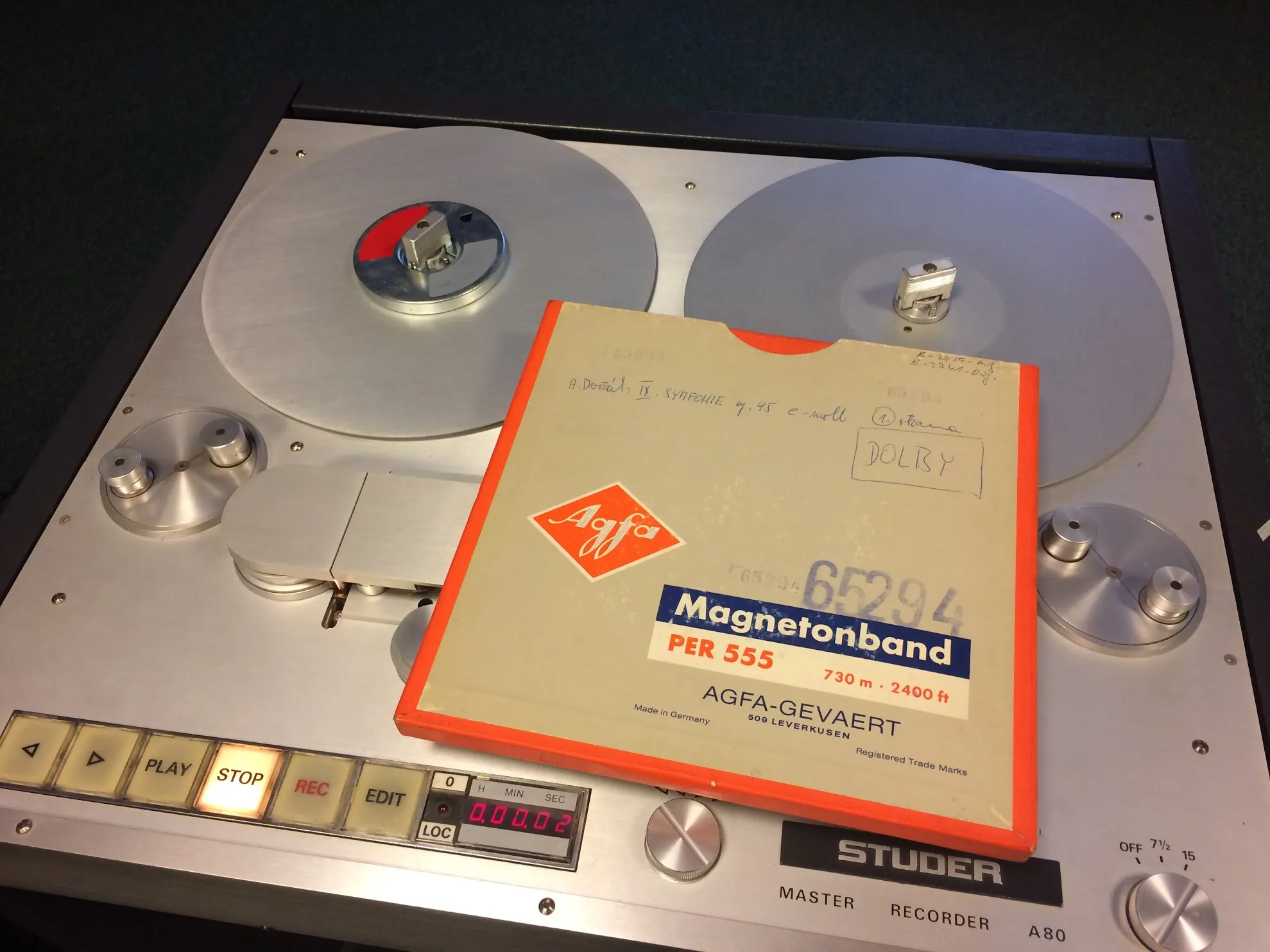
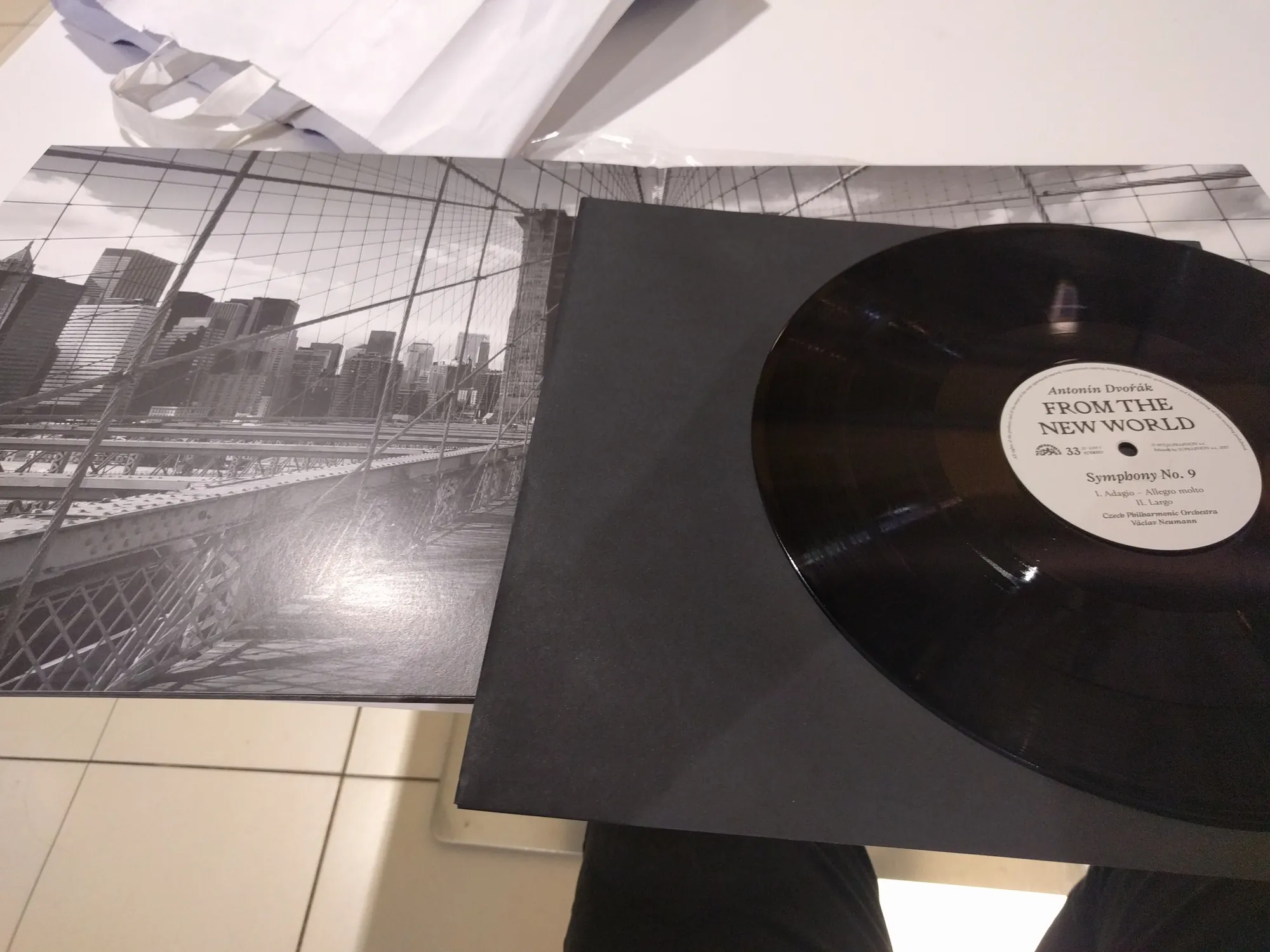
We considered recordings by several conductors of the Czech Philharmonic from different eras. Neumann’s “analogue” recording from 1972 builds magnificently, has a wide dynamic range and suits the soft, warm sound of a turntable – and its original analogue form led to the idea of releasing everything “the old way”, along a fully analogue path. In the end, technical complications led us to a sensitive digital remaster and a DMM cut, engraved with a diamond directly into metal.
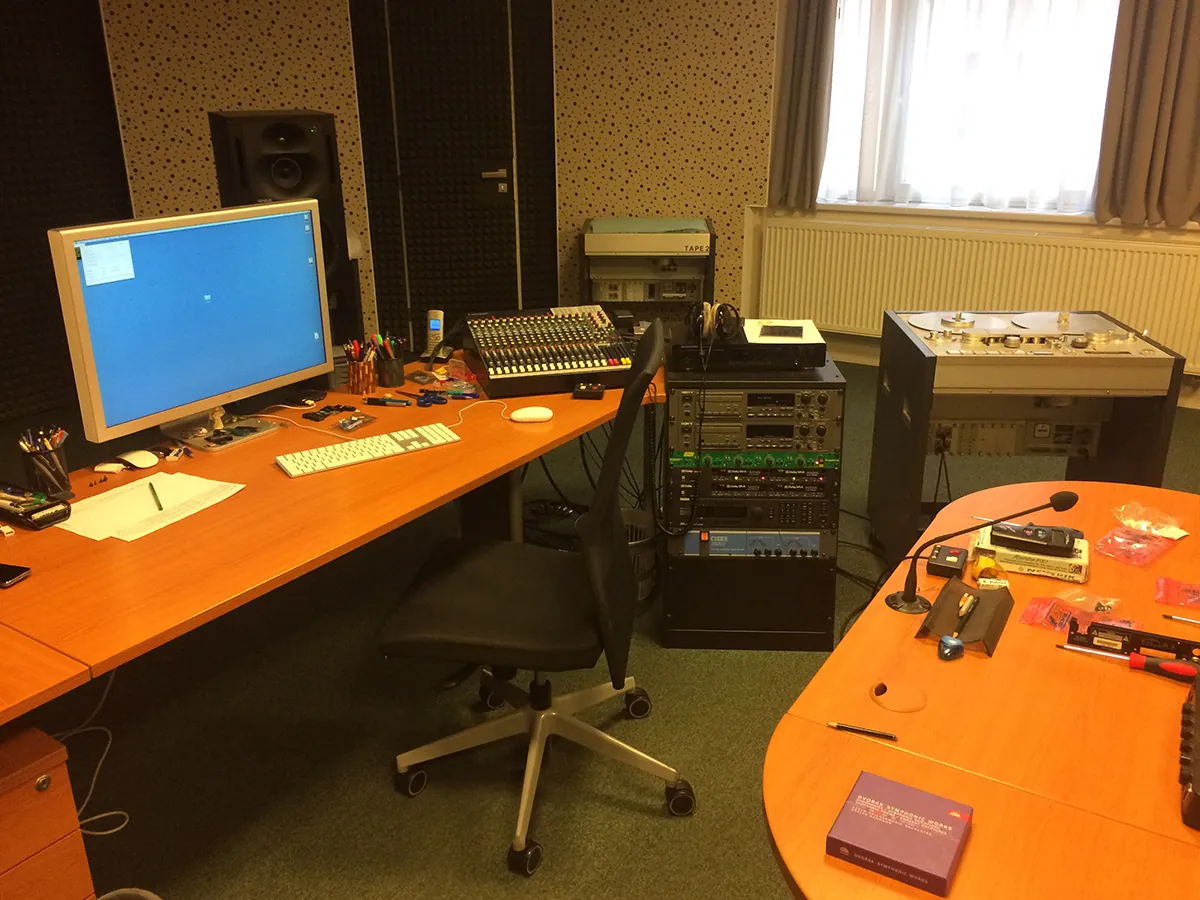
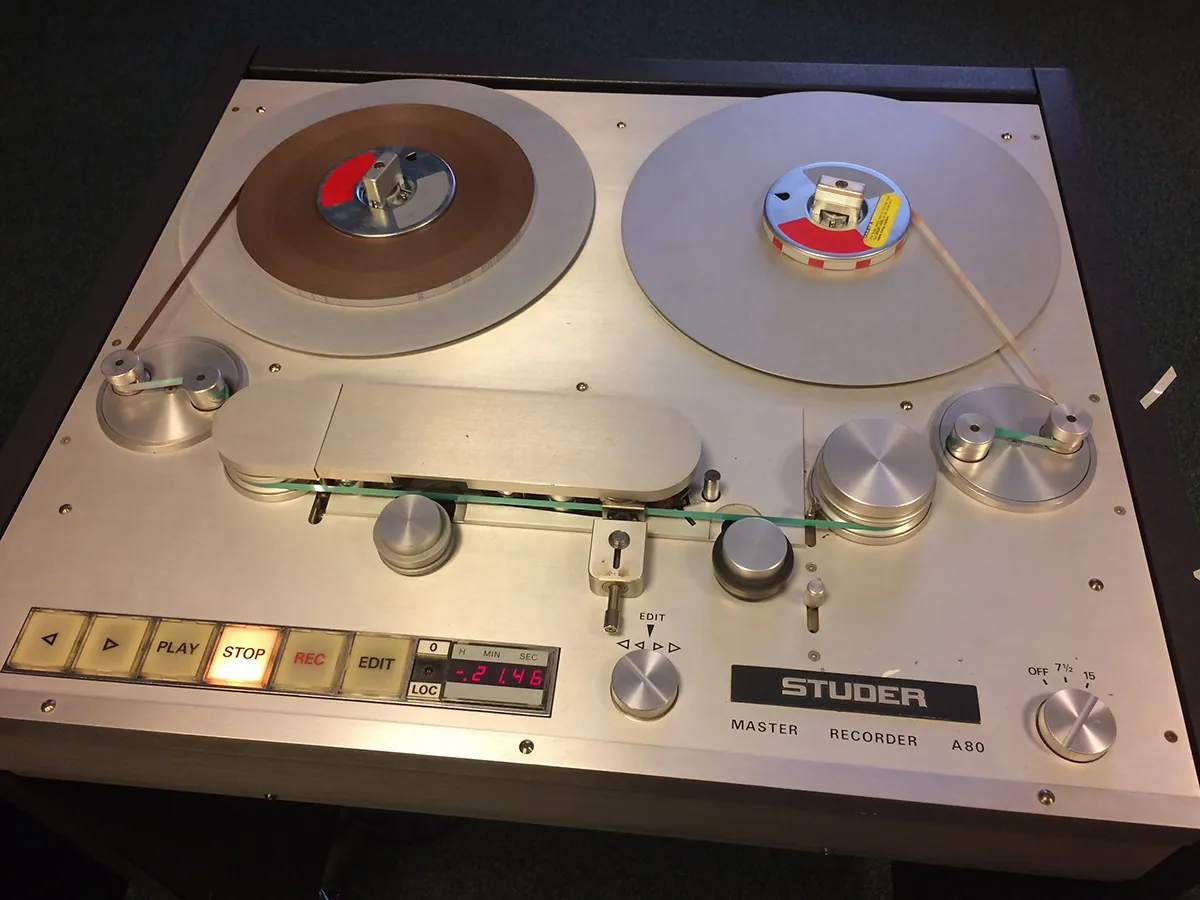
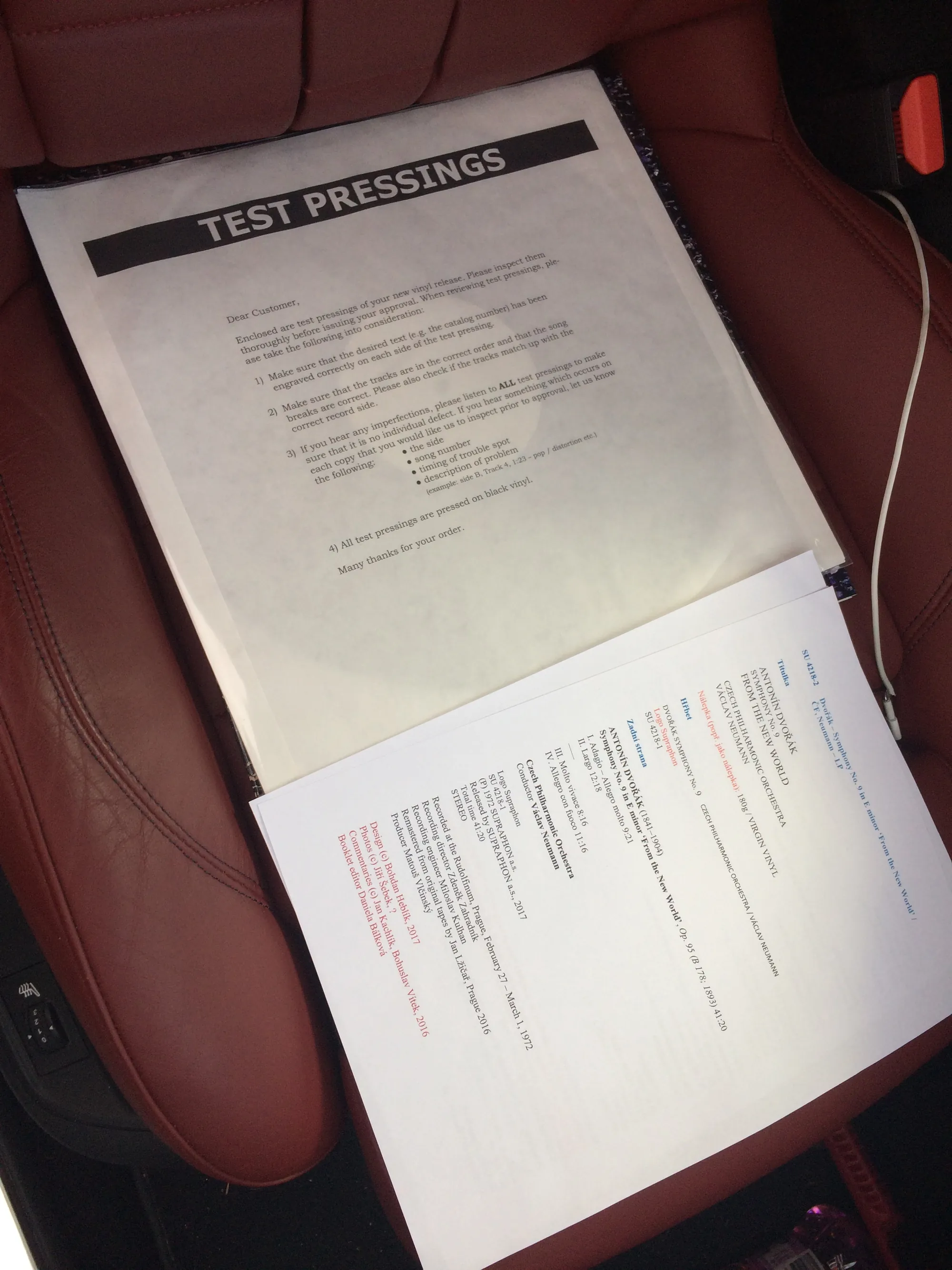
The project travelled on through European mastering studios and pressing plants. Sound engineer Jan Lžičař completed our production trio, and together we assessed, evaluated and steered the development of the vinyl. Every test pressing was analysed back in the studio and listened to by the three of us in different conditions, on different playback equipment. Only after an incredible seven cut masters and many months of waiting and work were we finally satisfied. Jan also prepared a small surprise: a listening comparison between the original tape and the latest generation of hi-res (DSD) digital processing. The result was surprising: forty-year-old Studer studio tape machines still do a slightly better job.
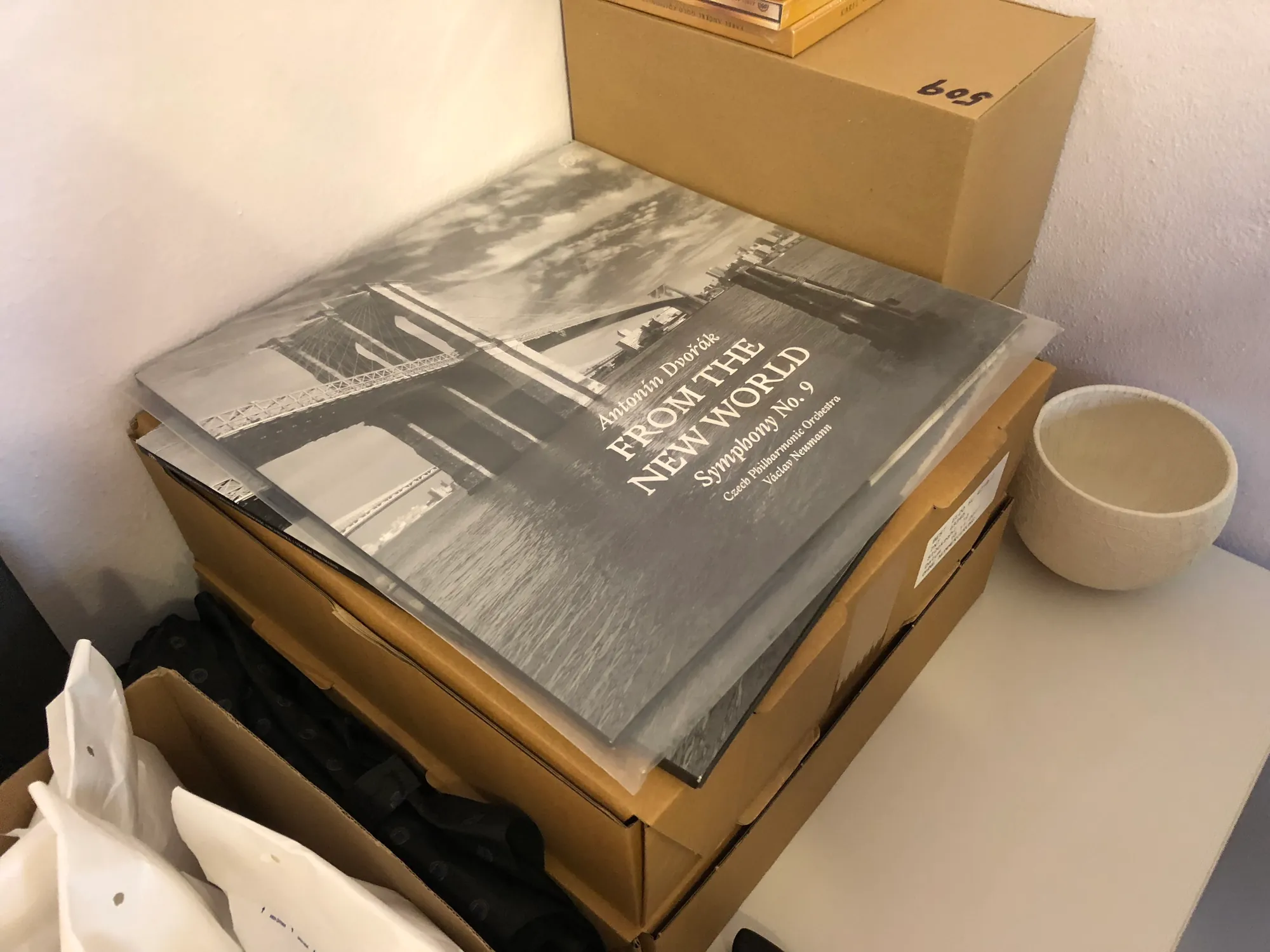
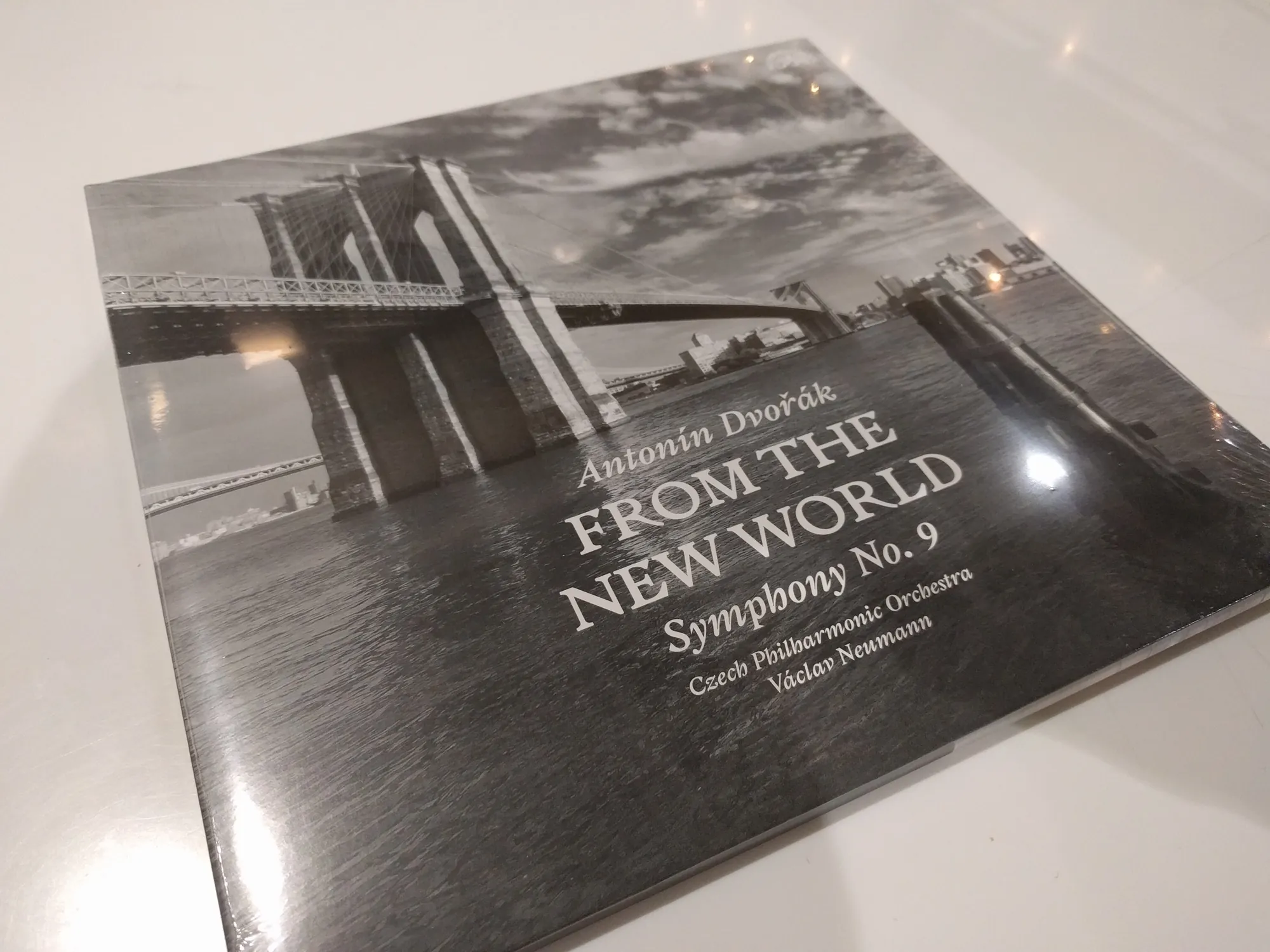
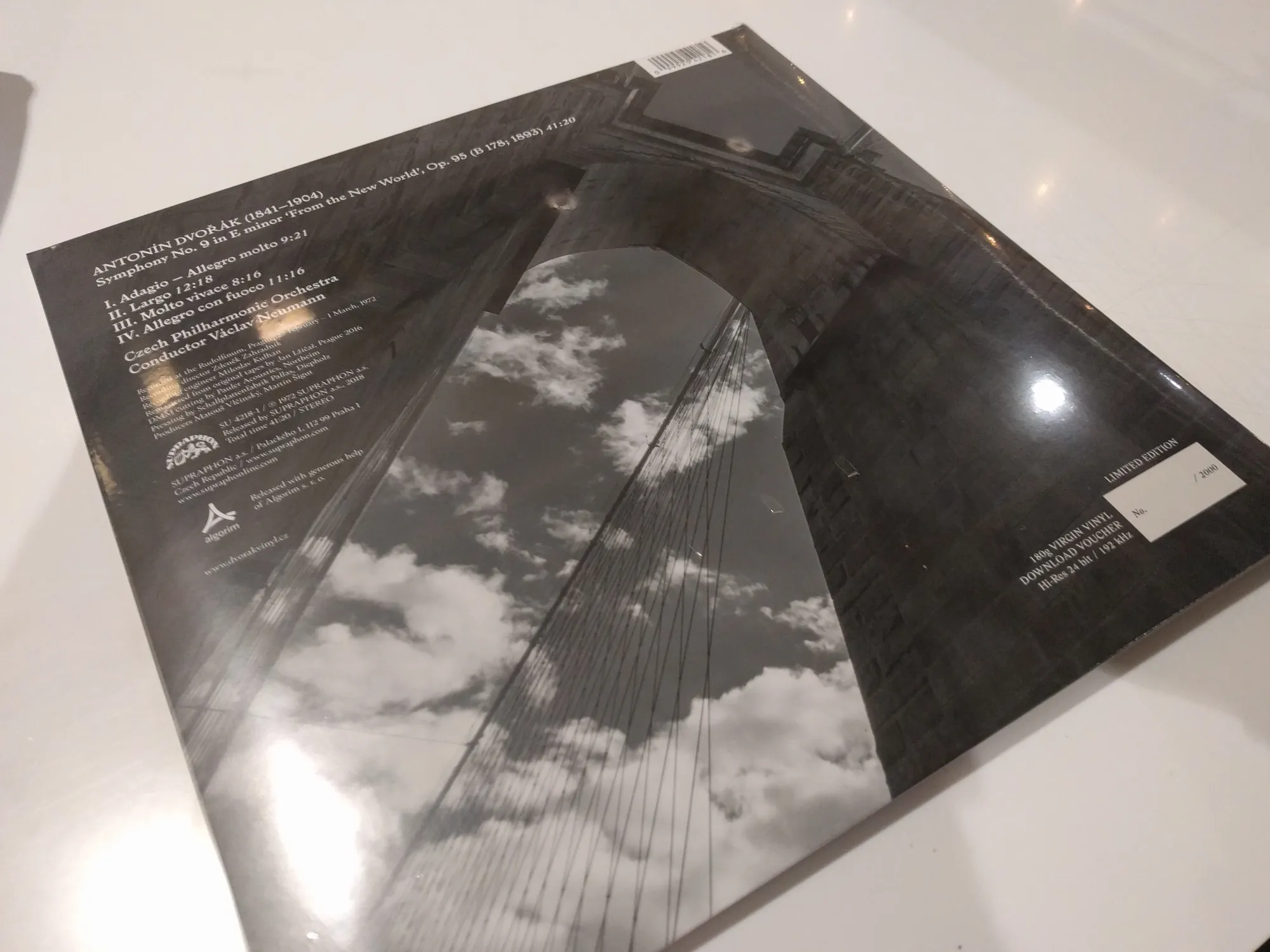
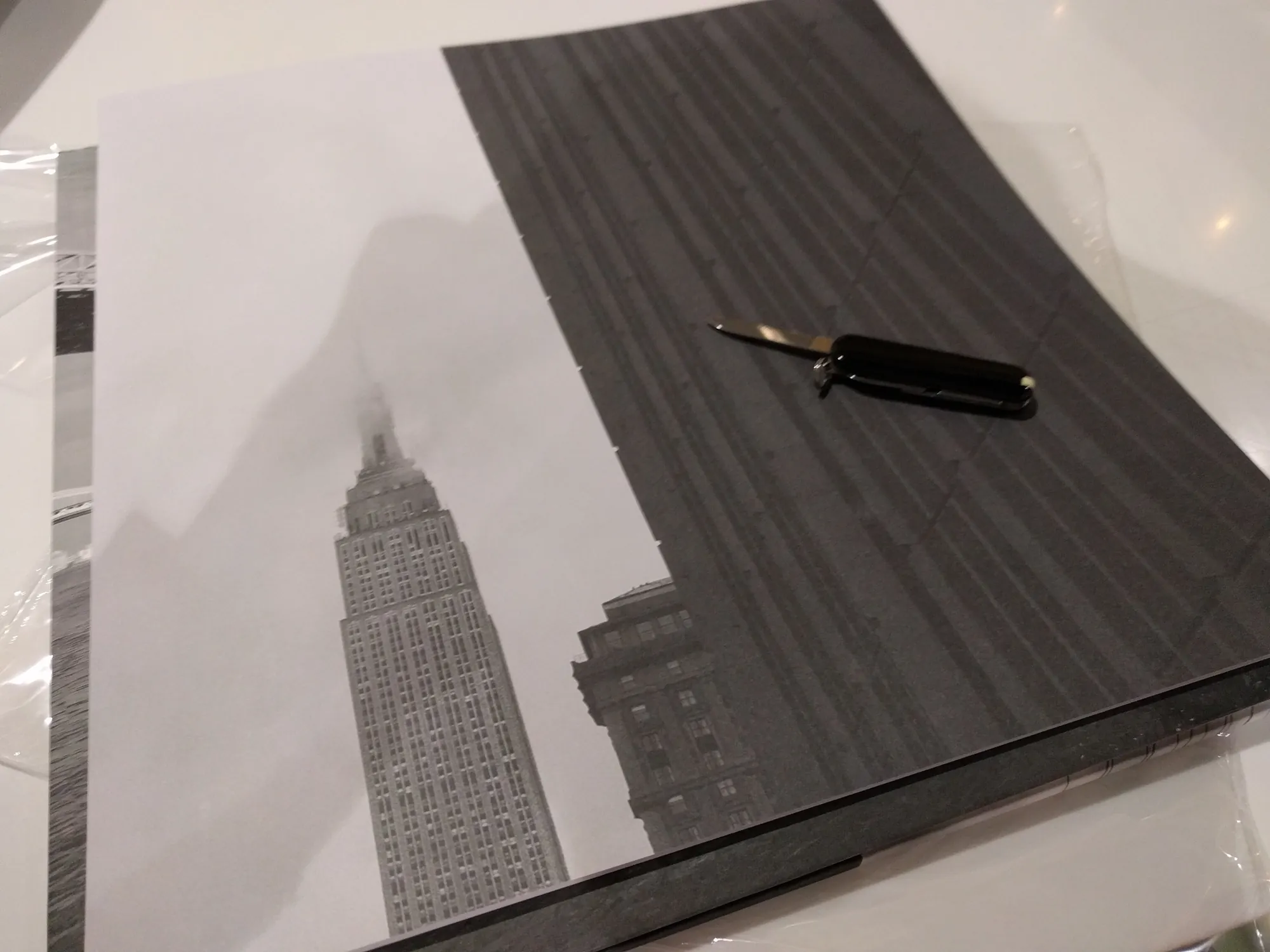
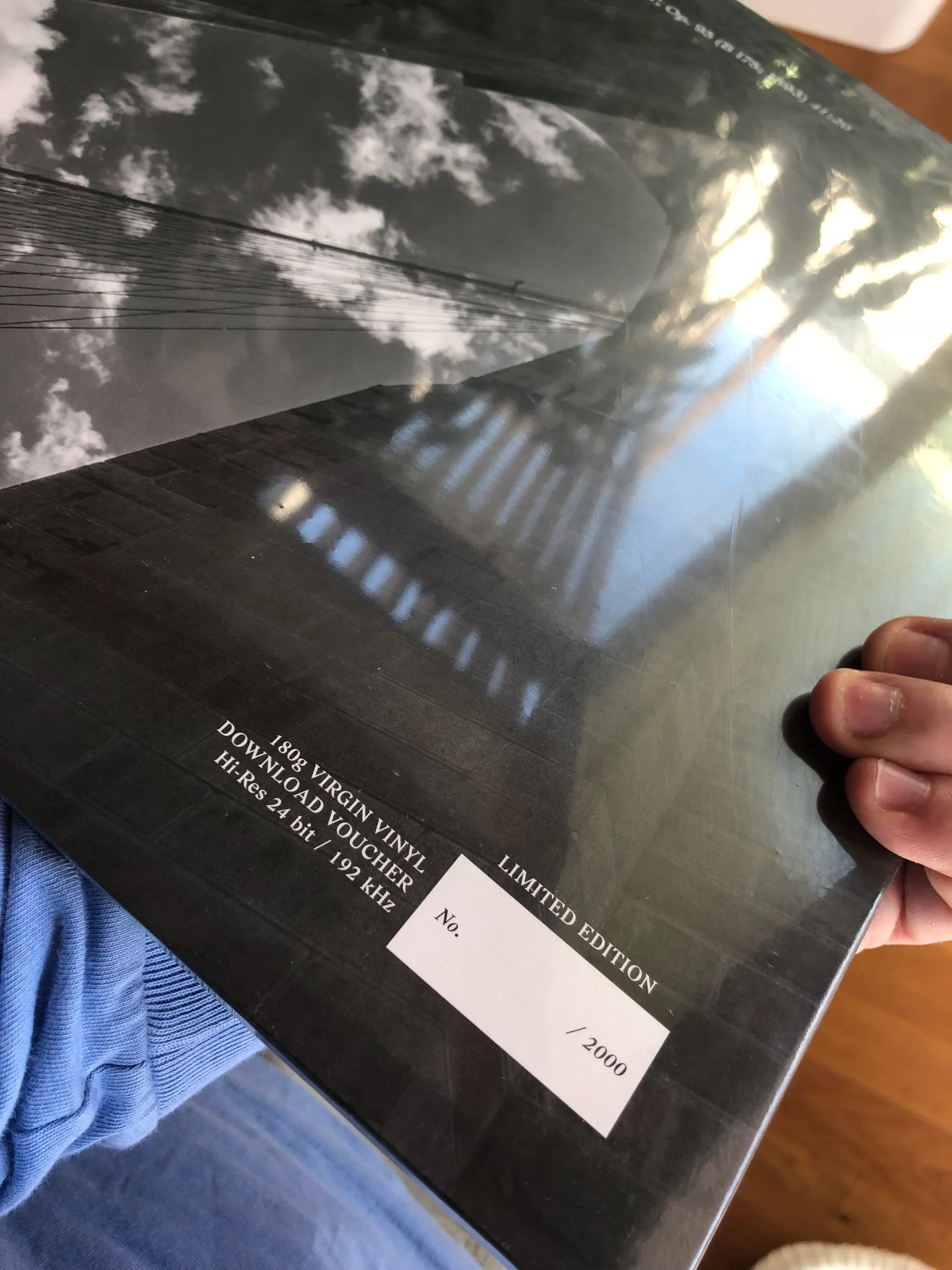
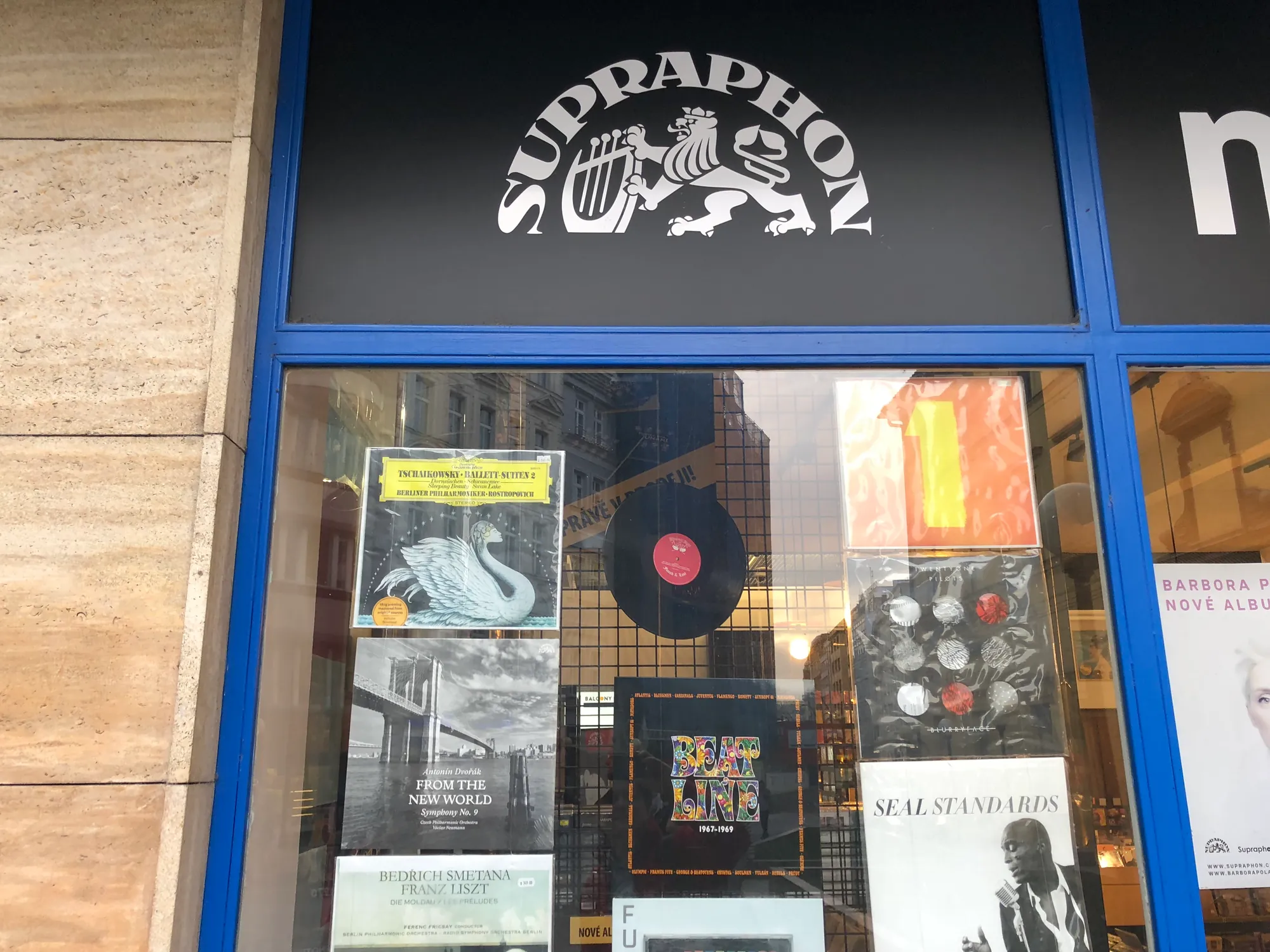
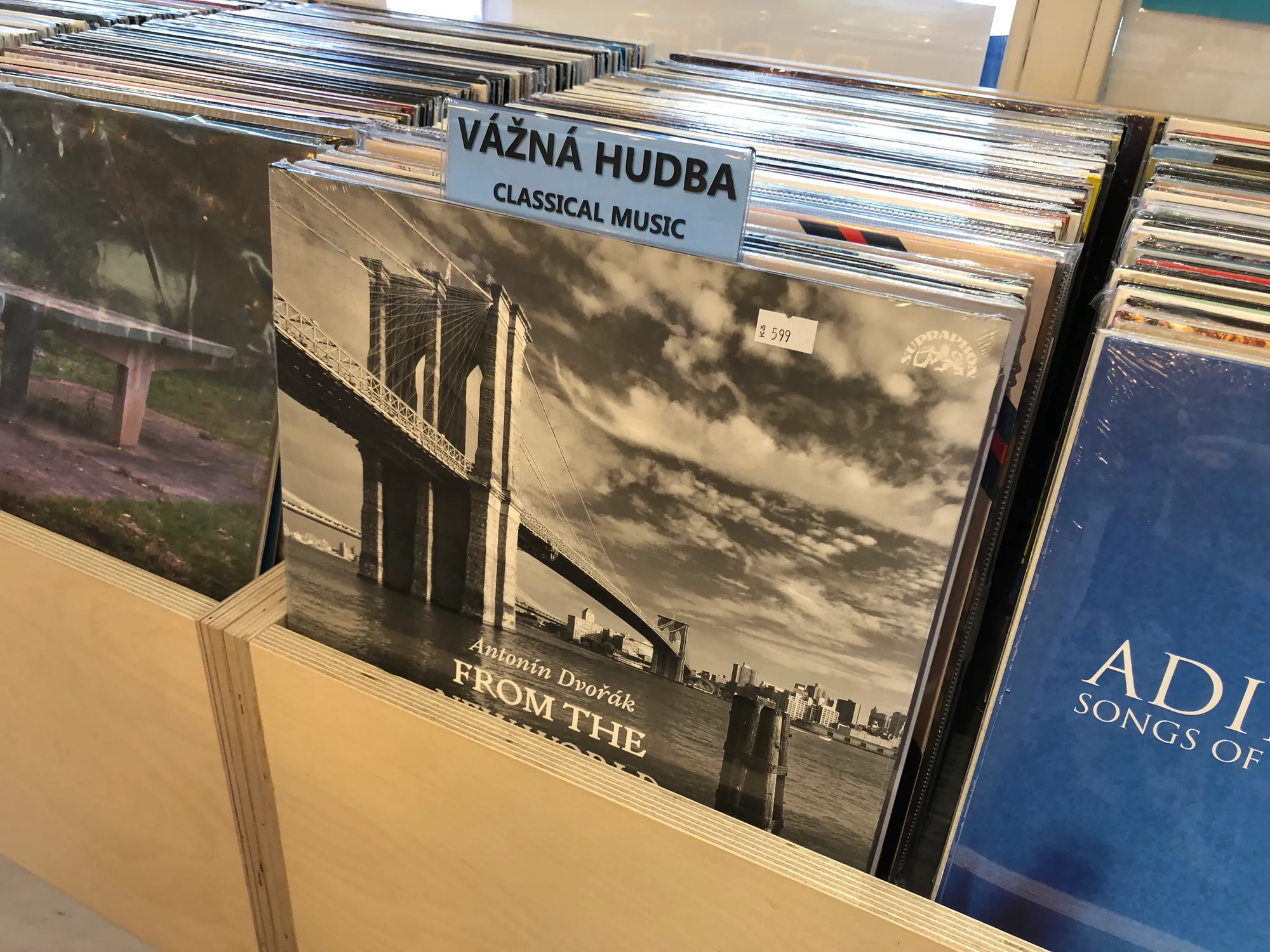
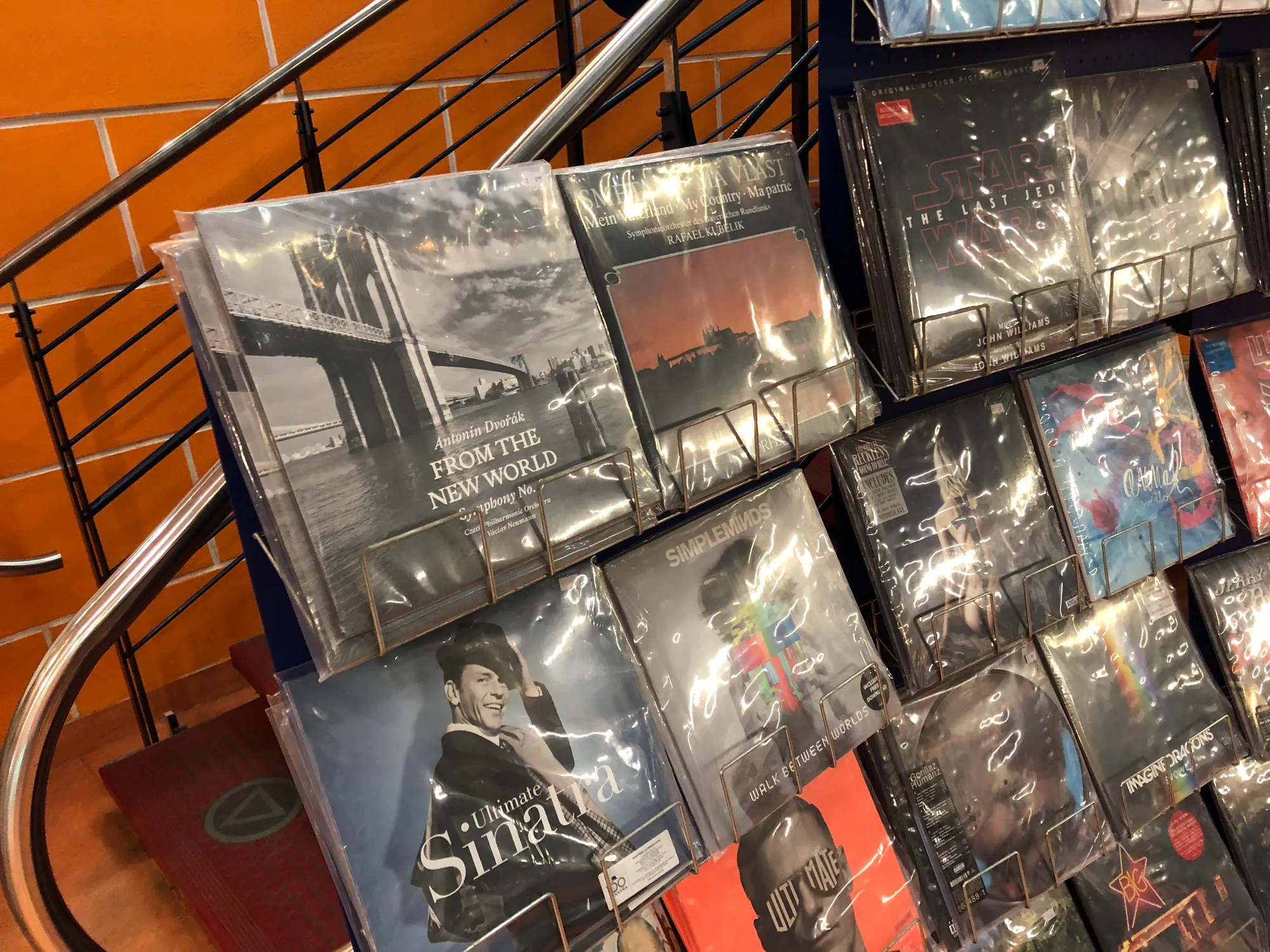
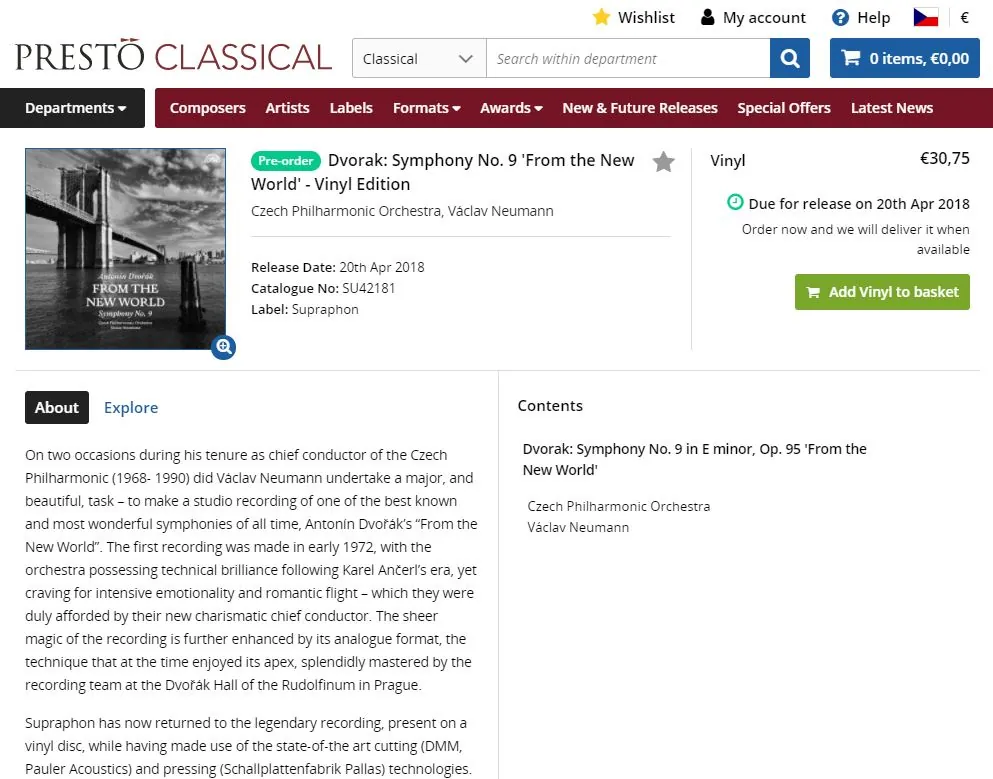
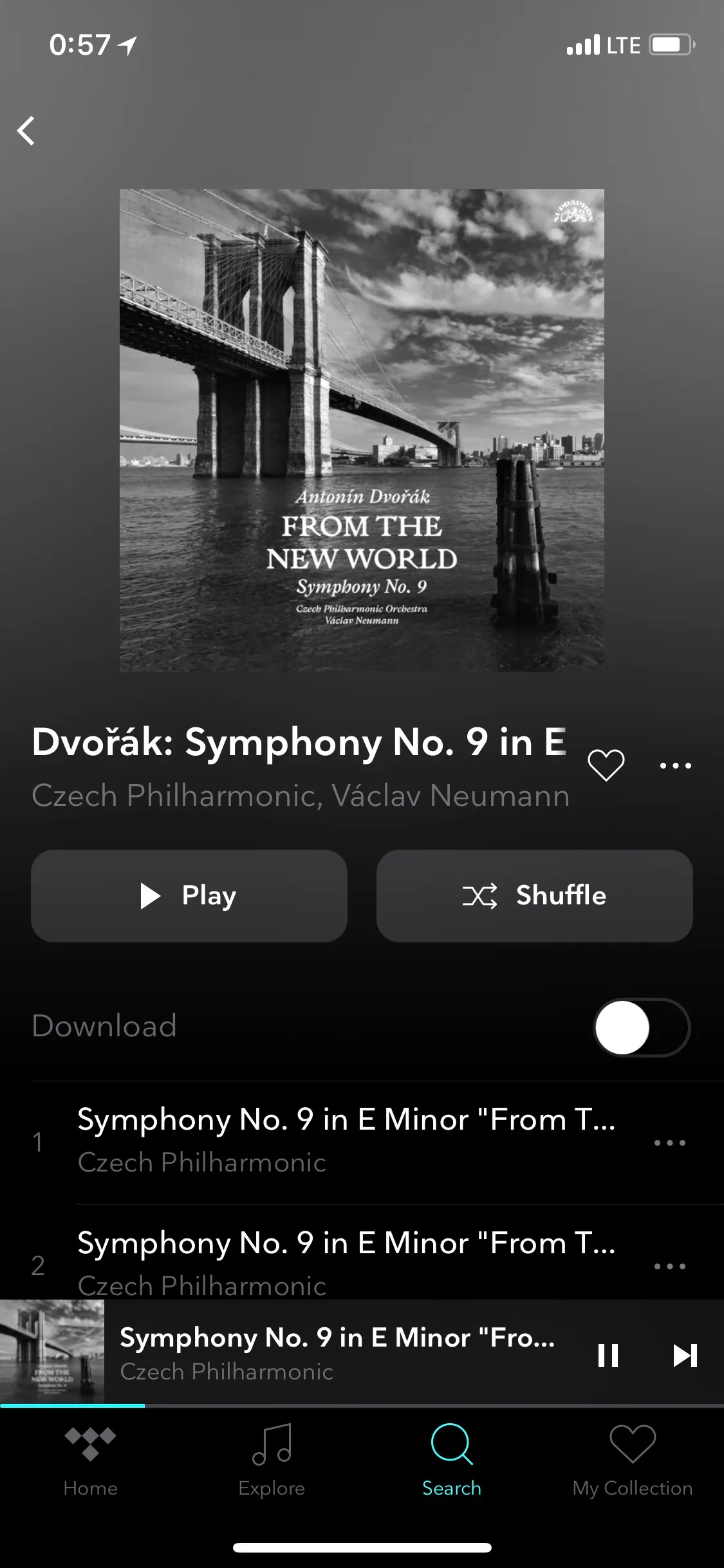
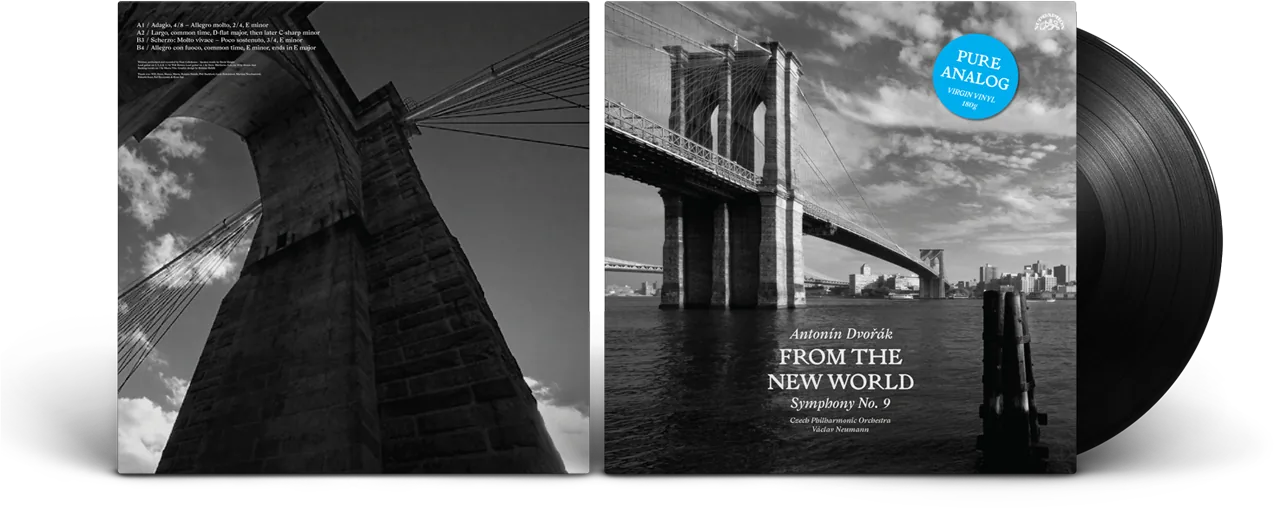
For years before the project, Dvořák’s work and its premiere at Carnegie Hall in New York were framed for me by Jiří Šebek’s photograph (Prague Grant, Czech Press Photo 2016) of Brooklyn Bridge at dawn. Time and again it brings to mind the music of a Czech symphony written on the far side of the ocean. I am delighted that it is Jiří’s photographs you will find on the release. The design was fine-tuned by Filip Konečný’s team (known for restoring Kája Saudek’s prints) together with his colleague Bohdan Heblík. Of all the options, their design won out, with its sense of distance and travel, and the bridges of the New World.
It was an incredible project: long, full of hard work, waiting and hope. An undertaking of unprecedented scale, from the first idea to the finished record. All of us who took part in the release believe it will bring you joy, and I, for my part, would like to thank everyone who helped bring this dream to life.
I wish you many wonderful moments with Dvořák’s masterpiece – and peace and good health.
Martin Šigut